
Does my cat need supplements? Have you ever wondered this? As the level of care for pets has increased, cat diets have become a topic of concern for many owners. Before considering whether or not to add supplements to your cat’s diet, we need to have an in-depth understanding of your cat’s dietary needs and the circumstances under which supplements may be needed. HsViko will share with you ways to determine whether or not your cat needs supplements to ensure that your cat stays healthy and happy.
Basic Dietary Needs of Cats
Cats are carnivores and their main dietary needs include high quality protein, fat, vitamins and minerals. Basic cat food will usually provide these essential nutrients, and high-quality cat food will meet the needs of most cats.
High-quality protein: Cats are specialised carnivores and their body’s need for certain essential amino acids (such as taurine) can only be obtained through the consumption of meat. The ideal cat food or diet should provide a rich source of protein from animal sources.
Fat: Fat is an important source of energy for cats and is essential for vitamin absorption and skin and coat health. A cat’s diet should include a moderate amount of animal fat.
Vitamins and minerals: Cats require a range of vitamins and minerals, such as vitamins A, D, E, K, and B complex, as well as calcium, phosphorus, iron, magnesium, and zinc. These nutrients are essential for maintaining a cat’s physiological functions, vision, bone development, immune system, and more.
Moisture: Although cats do not have as strong a desire to drink as dogs, it is important to ensure that cats consume enough water to prevent urinary tract stones and kidney disease. Wet cat food can provide cats with a higher intake of water, while dry food needs to be accompanied by a moderate amount of fresh water.
Taurine: This is an amino acid that cats cannot synthesise on their own and must be obtained from food, a deficiency of which can lead to heart disease and other health problems.
Dietary Fiber: A moderate amount of dietary fibre helps cats maintain intestinal health and promote digestion.
Why do I need cat supplements?
Your veterinarian may recommend cat supplements if your cat is experiencing illness or stunting issues. Properly consumed supplements for cats provide a nutritional boost to support their health. Even if there are no medical issues, you can still give your cat proper nutritional supplements. For example, feeding your cat some fish oil can promote cardiovascular health, improve your cat’s skin and coat, promote a healthy immune system, and more.
When your cat is undernourished, or if your cat has a picky eater, poor digestion and absorption, special dietary restrictions, or other health problems, it may result in an inadequate intake of certain key nutrients. This will require feeding your cat some supplements. For example, cats must get taurine from their food, and if your cat is a poor eater or does not have enough in its food, your cat will need a taurine supplement.
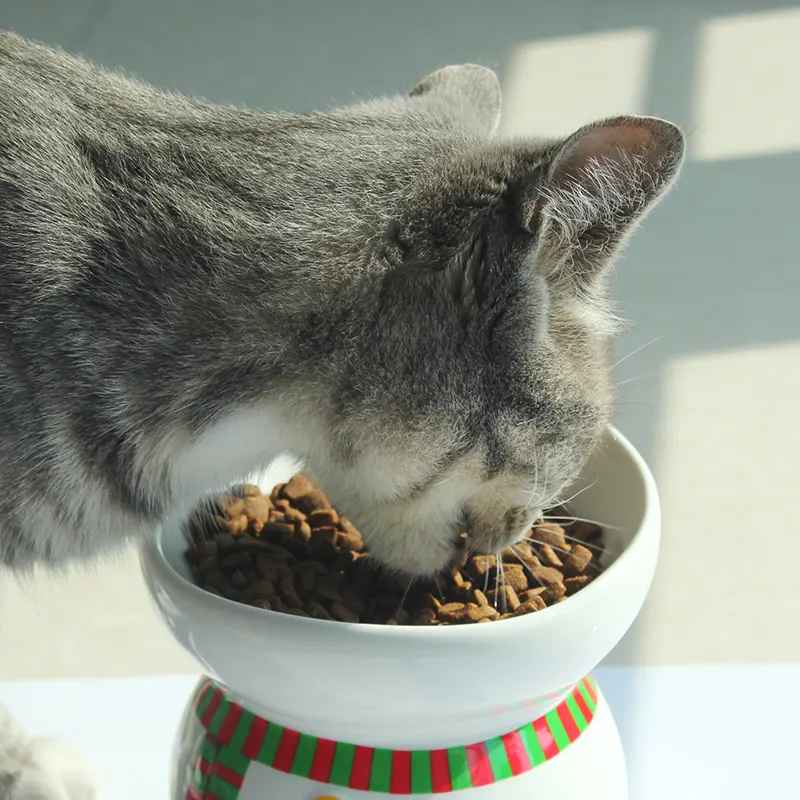
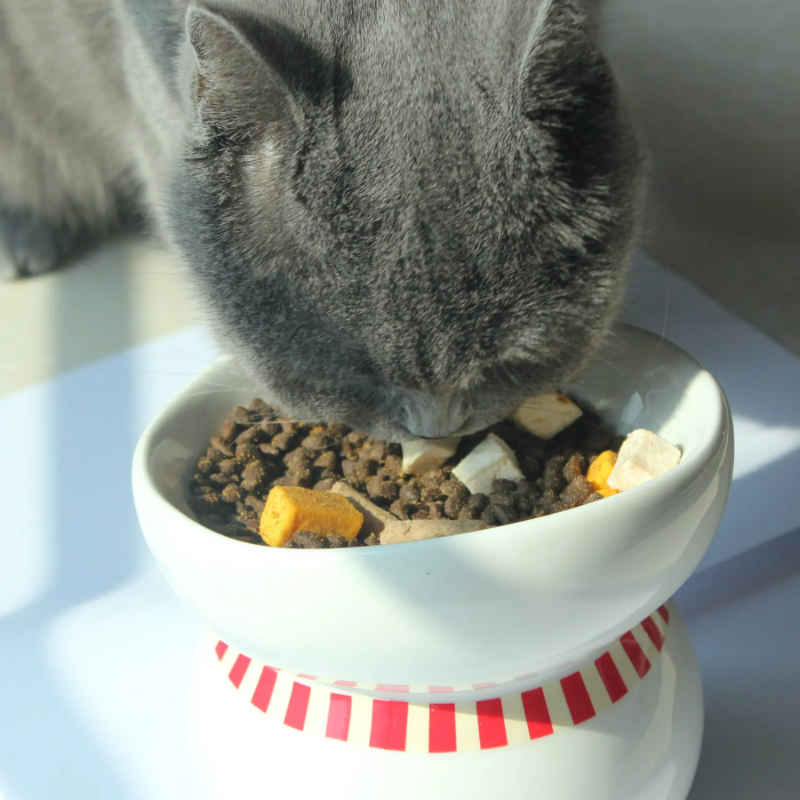
For cats with certain diseases, such as kidney disease, liver disease, obesity, diabetes or heart disease. They also need cat nutritional supplements to help manage the condition, replacing missing nutrients or reducing stress on damaged organs.
In addition, cats of different ages have different nutritional needs. Kittenhood, pregnancy, lactation and older cats may require additional supplementation of specific nutrients, such as vitamins, minerals, joint health ingredients, etc. In this case, you will also need to feed your cat certain supplements.
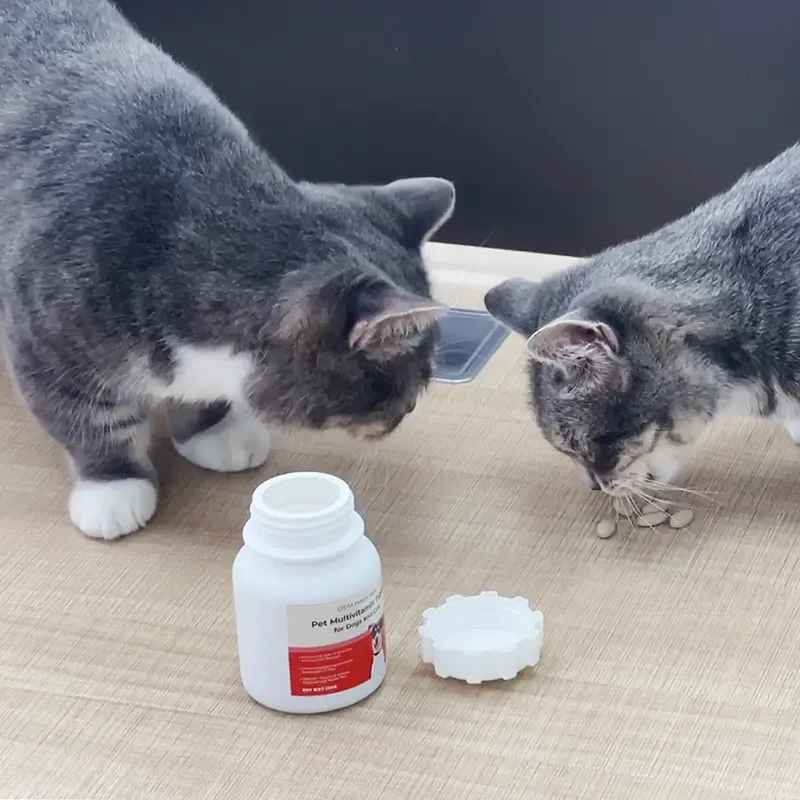
What supplements do cats need? Conditions in which cats need supplements
Older Cats
As they age, cats may face joint problems, weakened immune systems, deterioration of the digestive system, not being able to fully absorb the nutrients in their food, and more. In such cases, joint health supplements, antioxidants and cat nutritional supplements can be added to help maintain the overall health of a senior cat.
Cats in a State of Illness
When a cat is sick, its appetite and digestion may be affected, resulting in an inability to get enough nutrients from its food. For example, cats with chronic kidney disease may need to be supplemented with specific amino acids and vitamins; oral disease may result in the cat being unable to chew food properly, which can affect nutrient intake. You may choose to feed your cat multivitamin tablets or liquid vitamin supplements.
Cats in special physiological stages
Pregnant and lactating female cats, as well as older cats, may require additional nutritional supplements due to special physiological needs. Pregnant and lactating female cats need a large amount of nutrients to meet the growth of the fetus and milk production.
Cats with special dietary needs
Some cats may not be able to obtain sufficient nutrition from food due to special dietary habits or disease states. For example, cats allergic to certain foods may require special dietary adjustments; cats with oral diseases may need wet cat food or nutritional supplements to ensure nutritional intake.
Hair Problems
Some cats suffer from skin problems such as dry hair, thinning and shedding of hair and hair discoloration due to lack of certain nutrients. In this case, you can feed your cat fish oil, lecithin, krill oil and other supplements as appropriate. Proper feeding of fish oil helps to improve skin and coat health. Best Skin Supplements for Cats
- Lecithin Soft Chews for Dogs and Cats
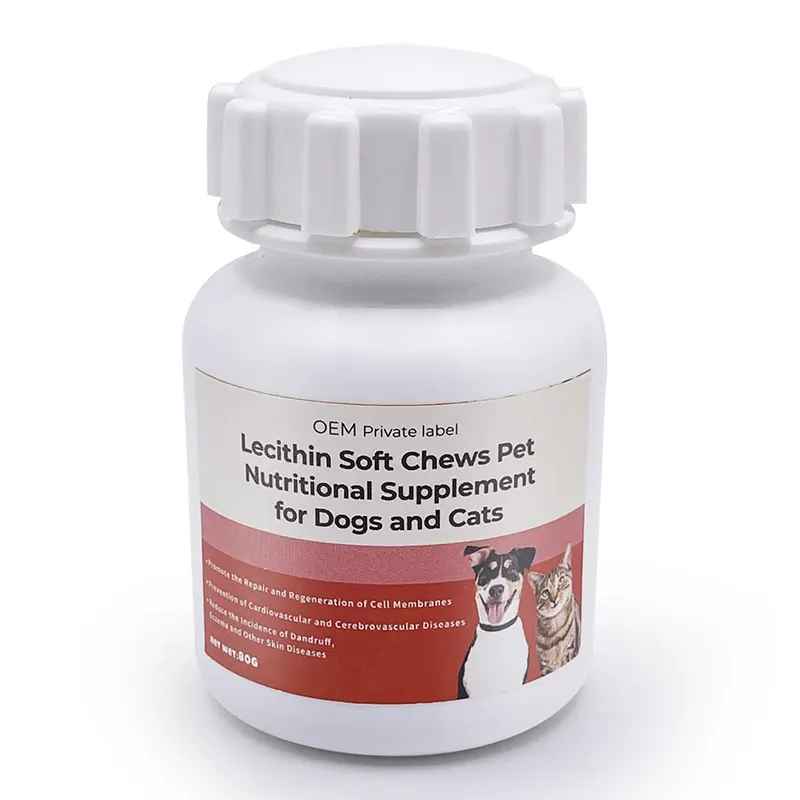
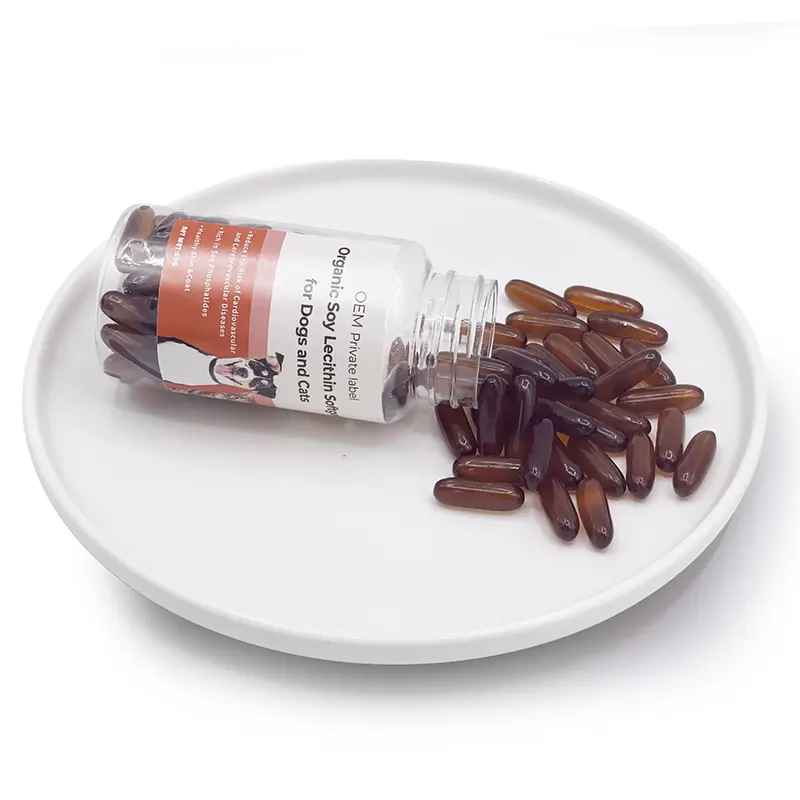
- Lecithin Capsules for Dogs and Cats
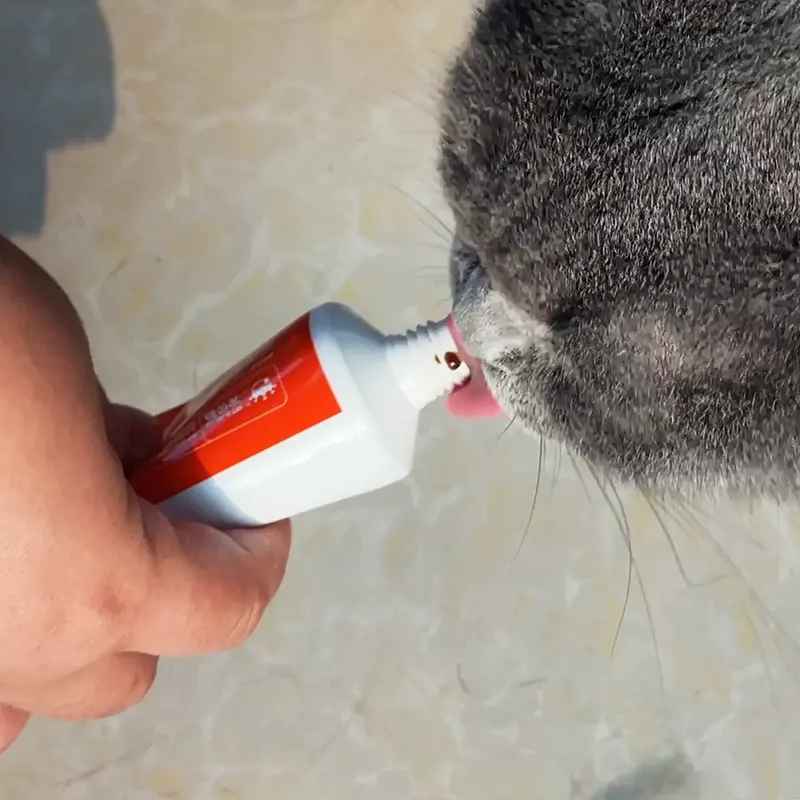
- Hairball Control Gel for Cats
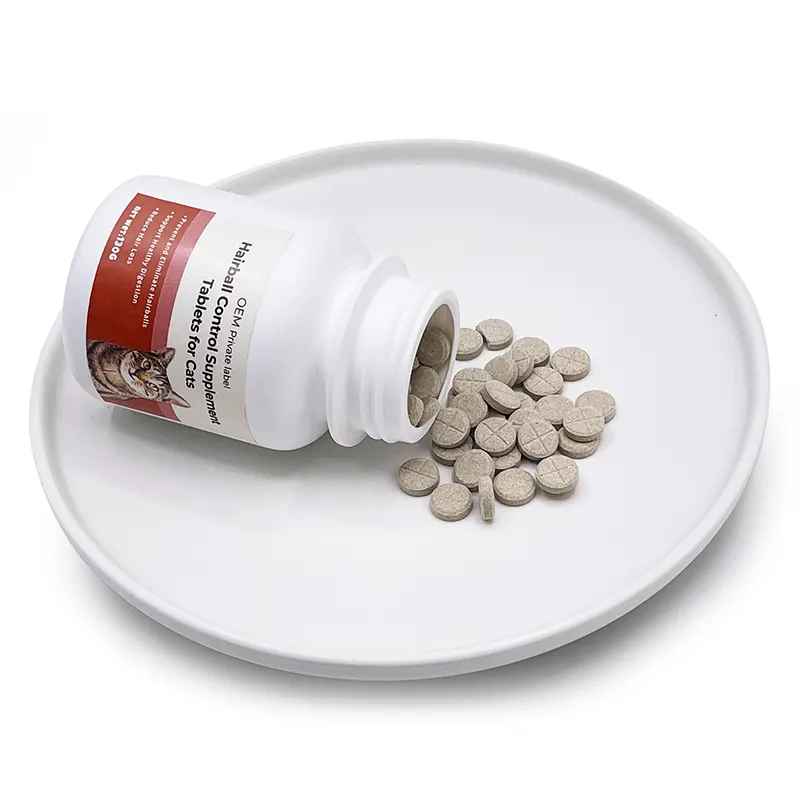
- Best Hairball Control Tablets Supplement For Cats
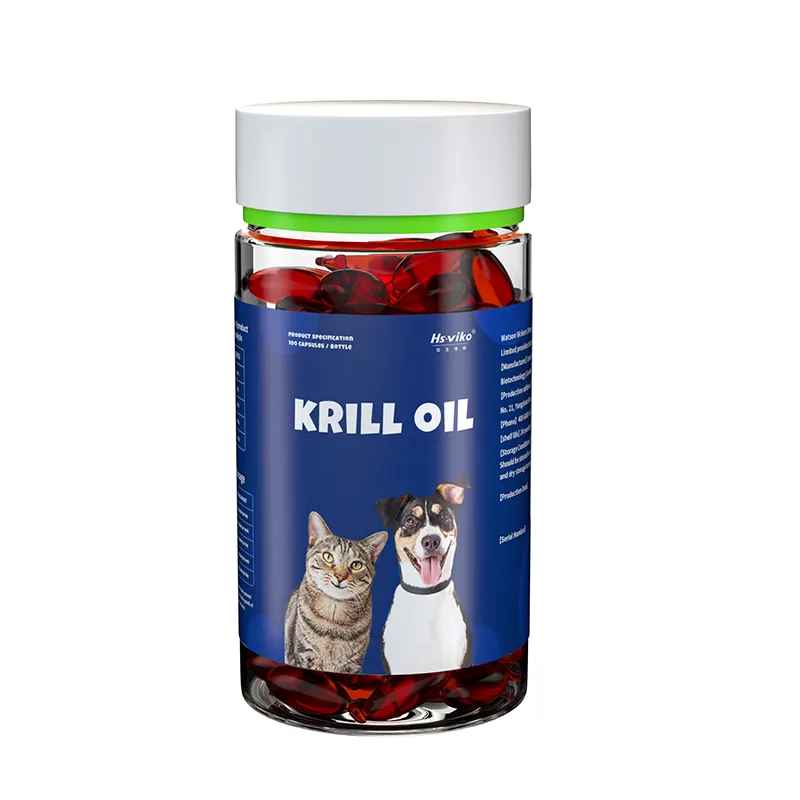
- Best Krill Oil for Cats and Dogs
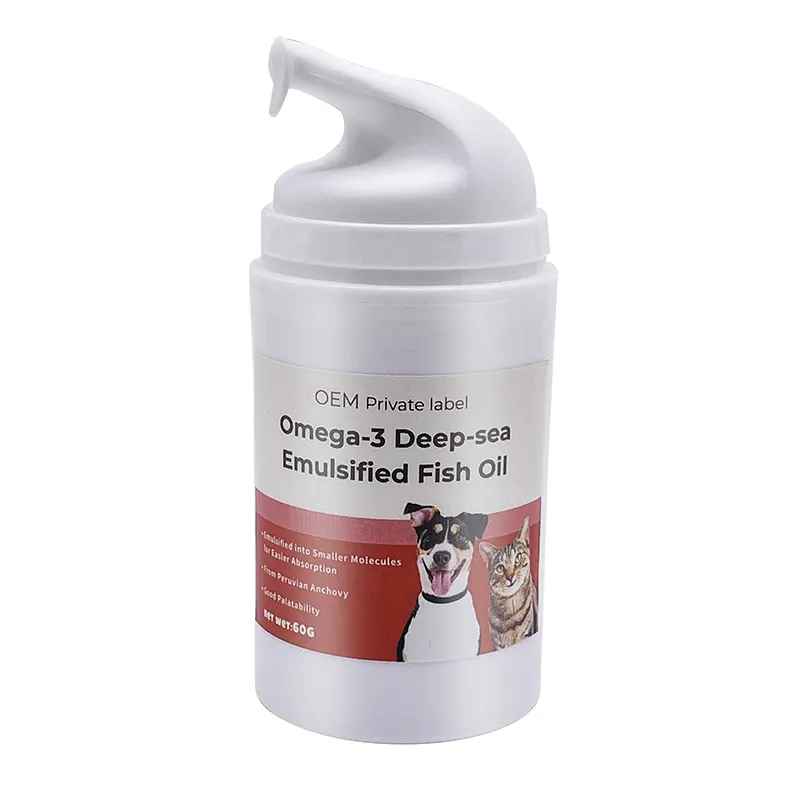
- Omega 3 Deep Sea Emulsified Fish Oil for Pets
Unbalanced nutrition
If your cat’s staple diet fails to provide complete and balanced nutrition, you may need to consider adding the appropriate supplements. Ensuring that your cat’s food contains enough protein, vitamins and minerals is key to maintaining your cat’s overall health.
Behavioral Problems
For situations where anxiety occurs in cats due to environmental changes, before and after vaccinations, etc., cat emergency supplements can be fed in moderation. Stress supplements can help relieve anxiety, improve behavioral issues, and increase your cat’s resilience.
Supplementing daily needs
In addition to these special cases, there are some daily nutritional supplements that can be beneficial. For example, fish oil can provide an abundance of Omega-3 fatty acids, which can help maintain your cat’s skin and coat health; probiotics can help maintain your cat’s intestinal health; and vitamins and minerals can help boost your cat’s immune system.
Situations in which cats may not need supplements
Healthy adult cats
Most healthy adult cats are able to meet their nutritional needs by consuming a high quality, well-balanced cat food. If the cat is in good health, energetic, with a shiny coat and no behavioral problems, additional supplements may not be needed.
Cats on a Comprehensive Diet
Purchasing a well-rounded, balanced cat food that covers the major nutritional needs for your cat is key to maintaining its health. High-quality cat food usually contains enough protein, fat, vitamins and minerals that no additional supplements are needed.
Regular Health Checks for Cats
Take your cat to the veterinarian for regular wellness checkups to ensure its overall health. Your veterinarian can assess your cat’s nutritional status and provide professional advice.
Normal physiological state
If the cat is not in a special physiological stage, such as during pregnancy, lactation, old age or illness, additional supplement support may not be needed.
How do I decide whether to add supplements?
It is best to consult your veterinarian before deciding whether or not to add supplements to your cat’s diet. Your veterinarian can provide personalized advice based on your cat’s individual condition and needs. Choose a high-quality, trusted supplement brand and take care to determine the correct dosage based on your veterinarian’s recommendations.
After reading this article, I believe you have a clear judgment on “Does my cat need supplements”. If you are a pet store or pet store, contact us for support from China’s top pet health care supplier!
FAQs
Can cats have cranberry supplements?
Cats can safely consume moderate amounts of cranberry supplements. Cranberries are thought to have some urinary benefits for cats because of their antioxidants and type A proanthocyanidins, which can help maintain urinary tract health and prevent urinary stone formation and bacterial infections.
Can cats have fish oil supplements?
Cats are perfectly capable of consuming and benefiting from them. Fish oil is rich in omega-3 fatty acids (such as EPA and DHA), which have many positive effects on skin health, joint inflammation, cardiovascular health, eye health and cognitive function in cats.